 Introduction
Technology has become an essential part of modern life, and its influence on education is growing rapidly. In earlier times, education was limited to classrooms, books, and teachers. However, with the advancement of technology, the learning process has changed significantly. Today, students can learn from anywhere, access unlimited resources, and use digital tools to enhance their knowledge. Technology has made education more accessible, interactive, and efficient for both students and teachers.
1. Easy Access to Information
One of the biggest advantages of technology in education is the easy availability of information. In the past, students had to depend mainly on textbooks and classroom teaching. Now, with the help of the internet, they can access a vast amount of knowledge within seconds.
Students can use online platforms, e-books, educational websites, and videos to learn new concepts. This not only saves time but also helps in better understanding. It also encourages students to explore beyond their syllabus and develop a habit of self-learning.

2. Growth of Online Learning
Technology has introduced online learning, which has become very popular in recent years. Students can attend online classes, watch recorded lectures, and complete courses from the comfort of their homes. This is especially useful for those who live far from educational institutions.
Online learning offers flexibility, allowing students to study at their own pace. It also provides access to global education, where students can learn from experts around the world. This has made education more inclusive and convenient.

3. Interactive and Engaging Learning
Traditional learning methods sometimes become boring and less effective. Technology has made learning more interactive and engaging. Tools such as smart boards, animations, videos, and presentations help students understand complex topics easily.
For example, visual learning through videos makes it easier to remember concepts compared to reading long texts. Interactive quizzes, games, and activities also make learning fun and interesting, which increases student participation.

4. Improved Communication
Technology has improved communication between students and teachers. With the help of emails, messaging apps, and online platforms, students can easily ask questions and get quick responses.
Teachers can also share study materials, assignments, and important updates instantly. This smooth communication helps students stay connected and improves the overall learning experience.

5. Development of Digital Skills
In today’s digital world, technical skills are very important. Technology in education helps students develop essential digital skills such as using computers, software, and online tools.
These skills are not only useful for studies but also important for future careers. Students who are familiar with technology can adapt easily to modern work environments and stay updated with new trends.
6. Personalized Learning Experience
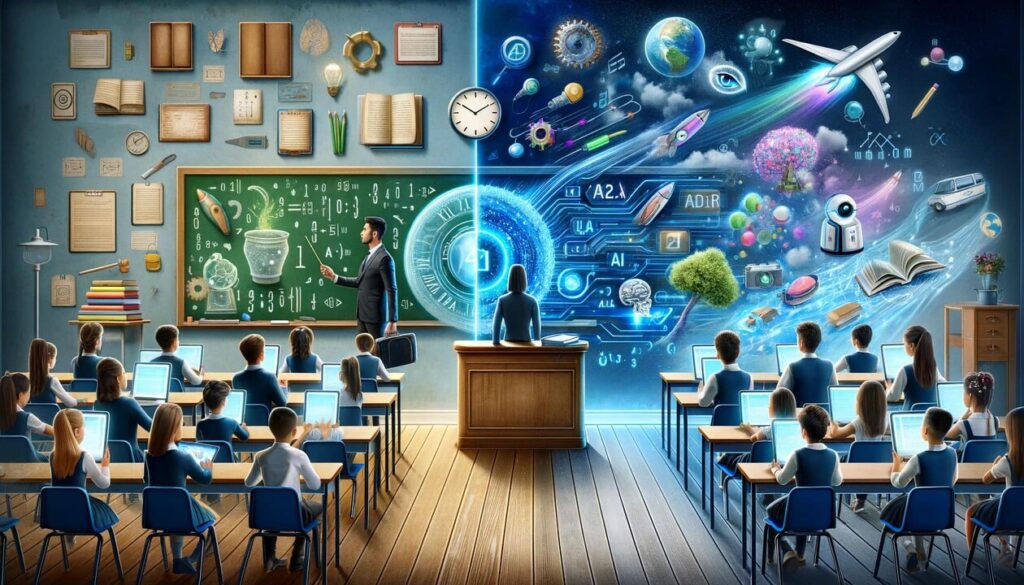
Every student has a different learning style and pace. Technology allows personalized learning, where students can learn according to their needs and abilities.
Many educational apps and platforms provide customized lessons based on student performance. This helps students focus on their weak areas and improve gradually. Personalized learning increases confidence and makes education more effective.
7. Time and Cost Efficiency
Technology has made education more affordable and time-saving. Students no longer need to spend money on multiple books, travel, or coaching classes. Online resources and courses are often available at lower costs or even for free.
It also saves time, as students can access study materials instantly without waiting. This makes learning more efficient and convenient.

8. Challenges of Technology in Education
Despite its many advantages, technology also has some challenges. One major issue is distraction. Students may get distracted by social media, games, or other online activities while studying.
Another problem is the digital divide. Not all students have access to the internet, smartphones, or computers, which creates inequality in education. Overuse of technology can also affect physical health, such as eye strain and lack of physical activity.

Conclusion
Technology plays a crucial role in modern education by making learning more accessible, engaging, and effective. It has transformed traditional teaching methods and opened new opportunities for students worldwide. However, it is important to use technology wisely and maintain a balance between digital and traditional learning. With proper use, technology can continue to improve education and help students achieve better results in the future.